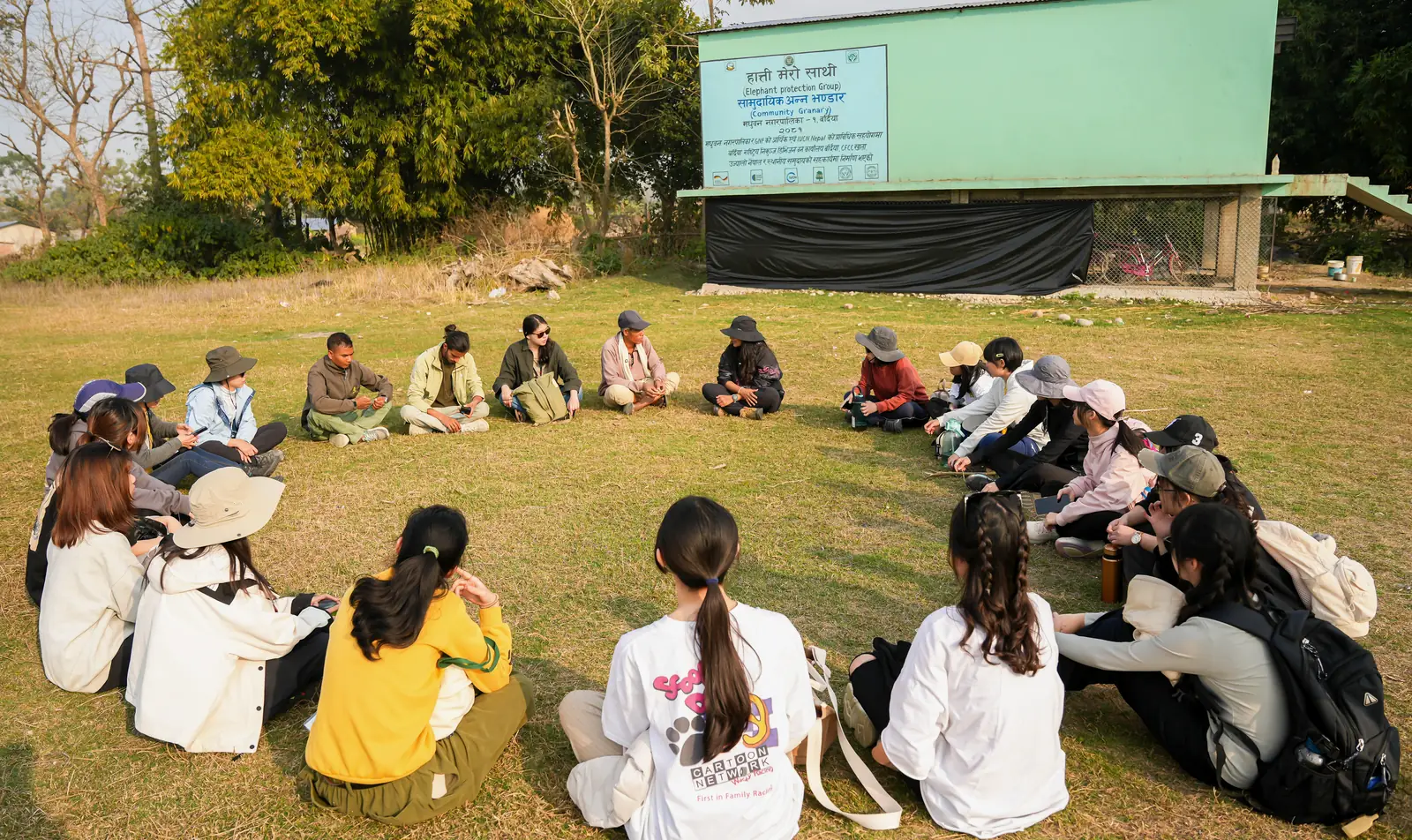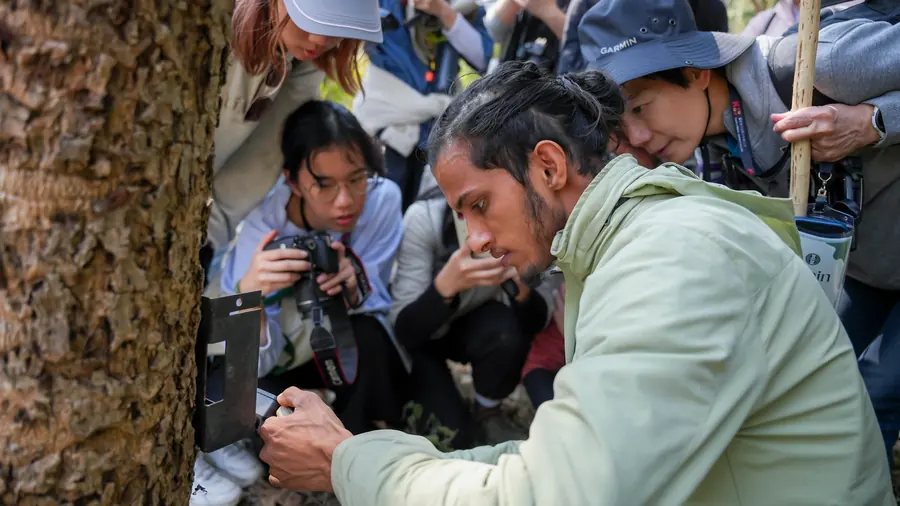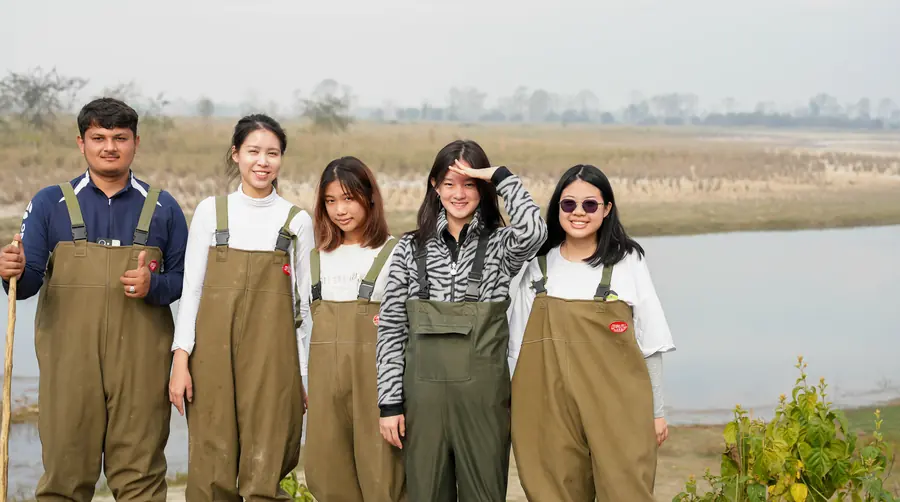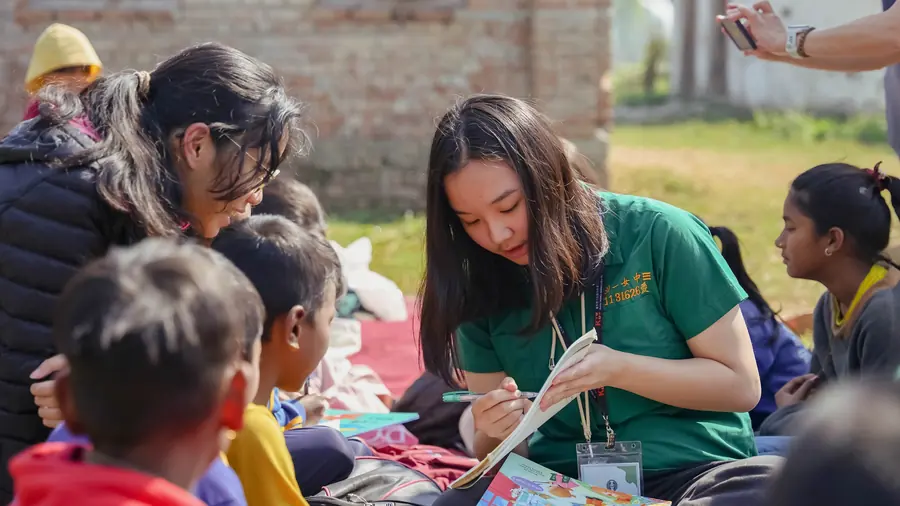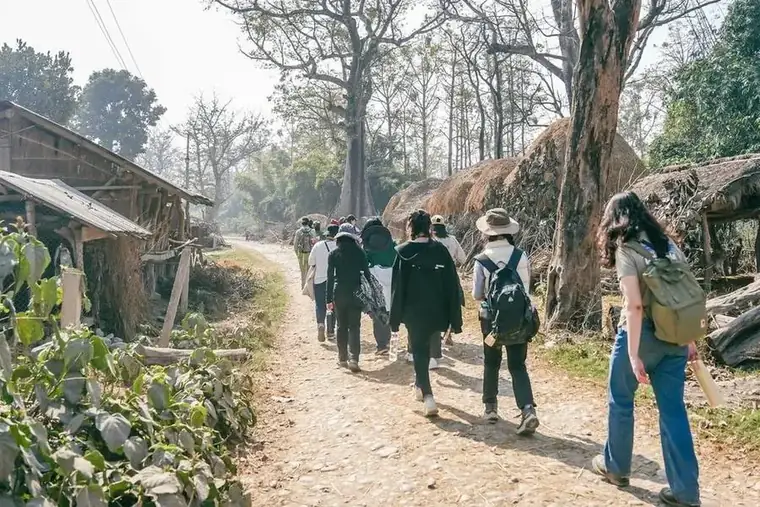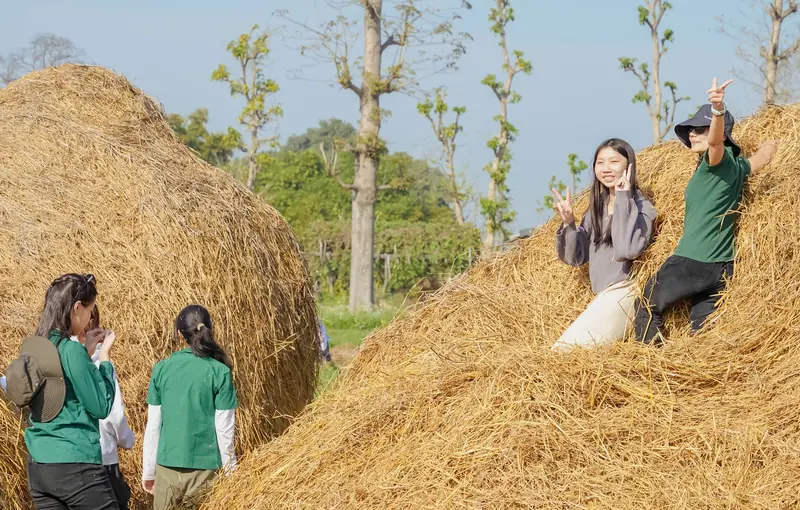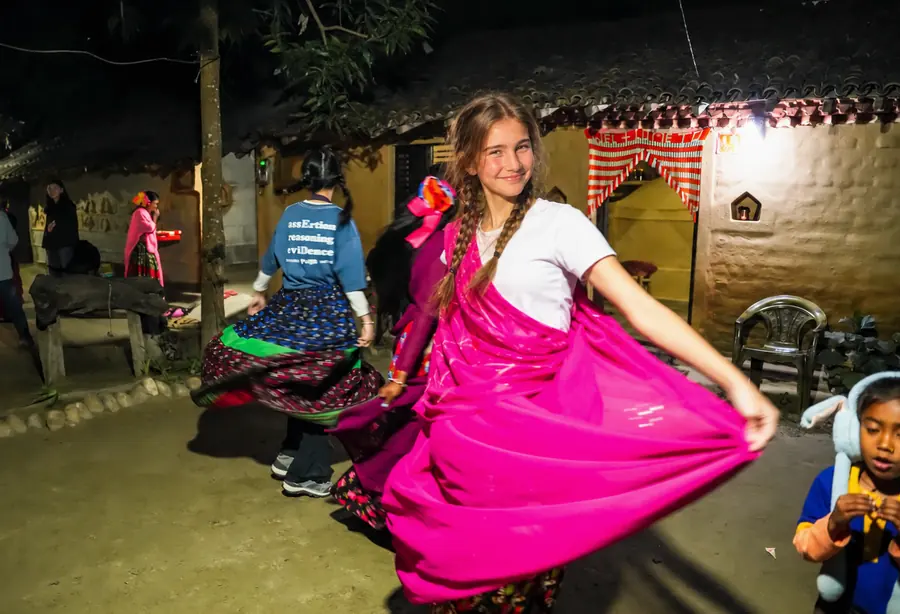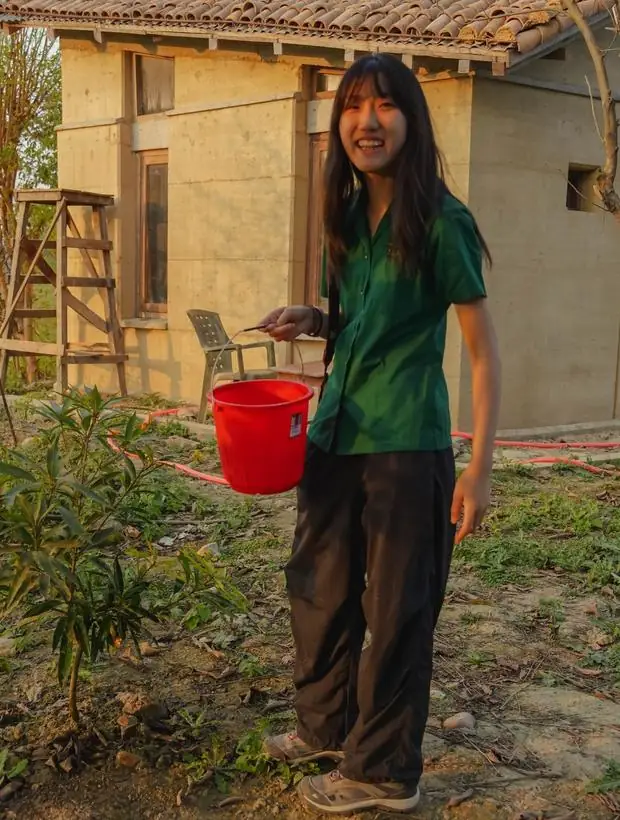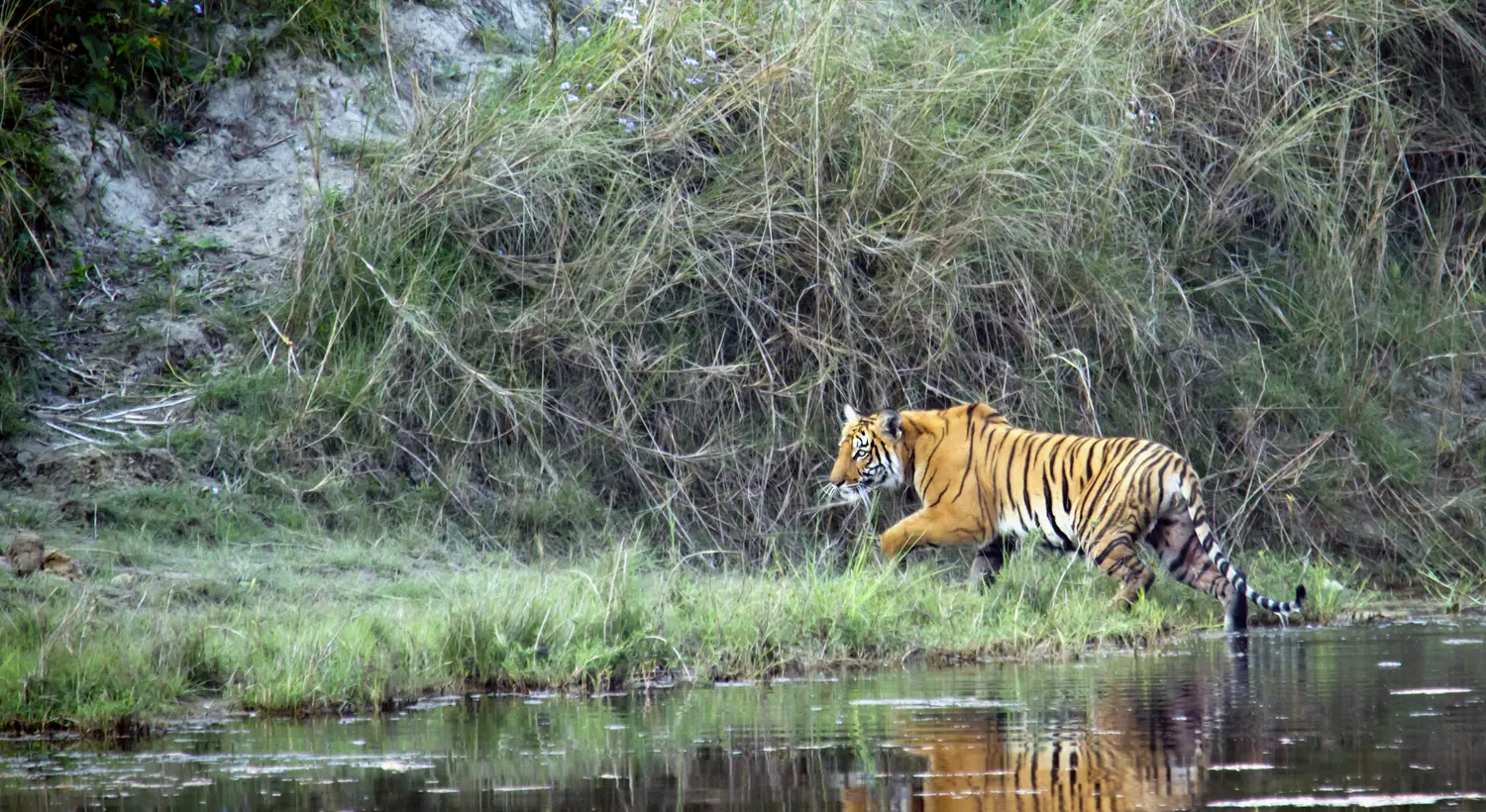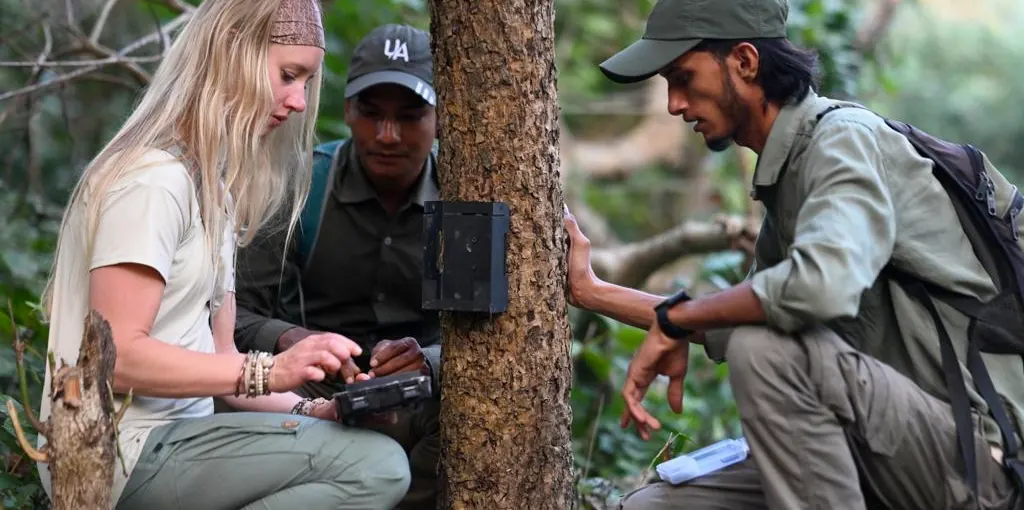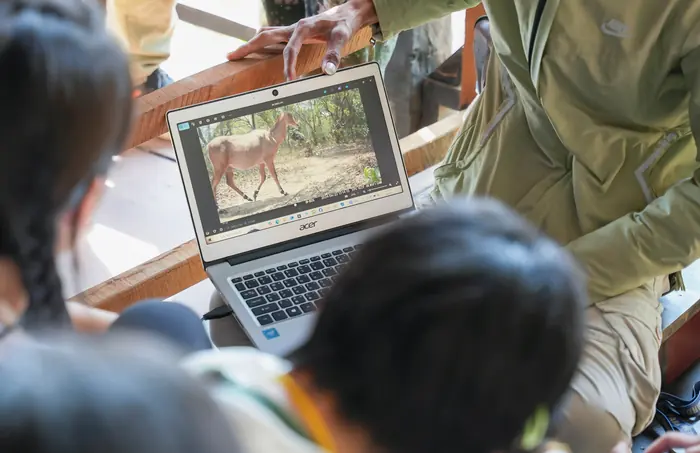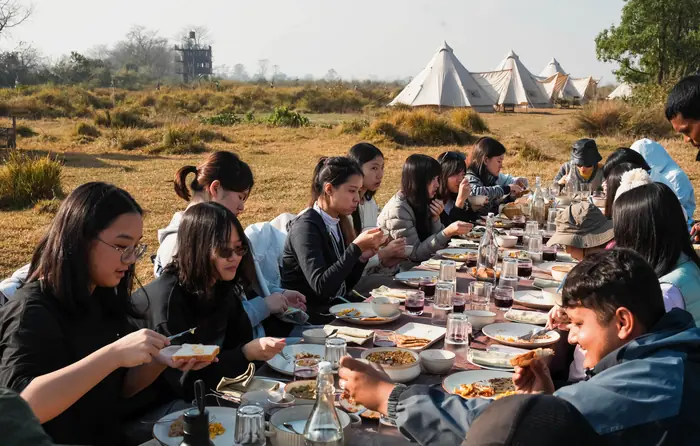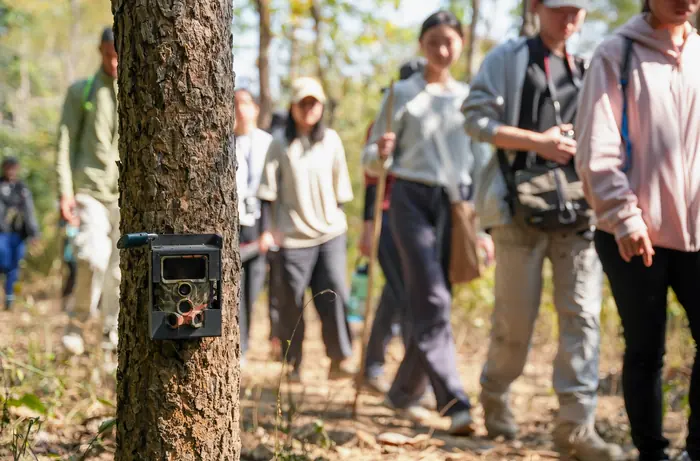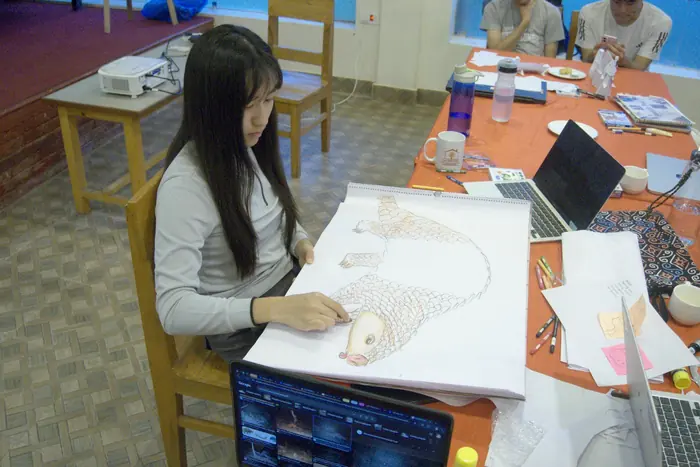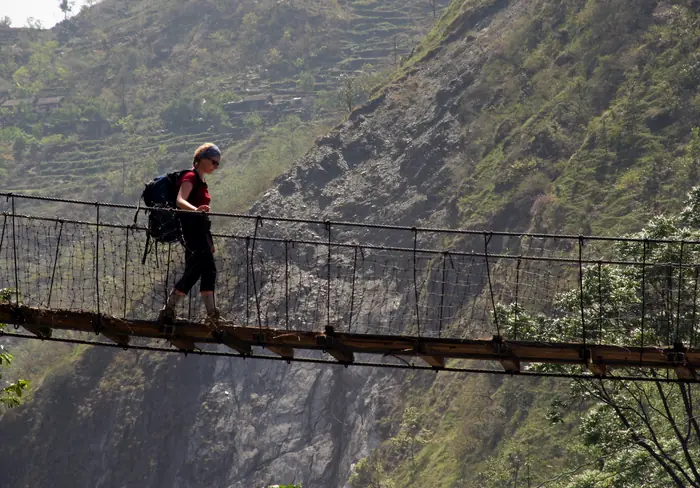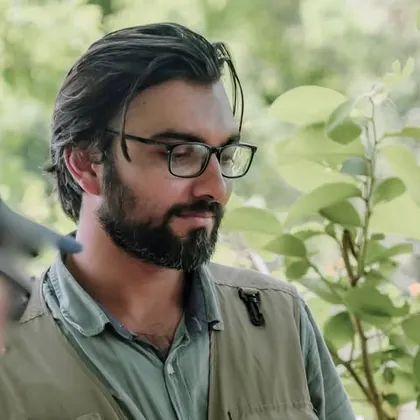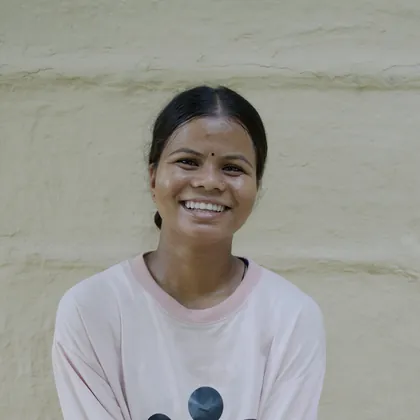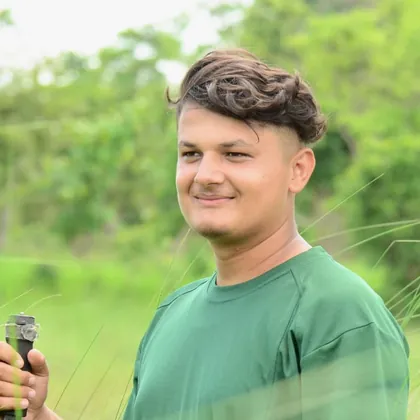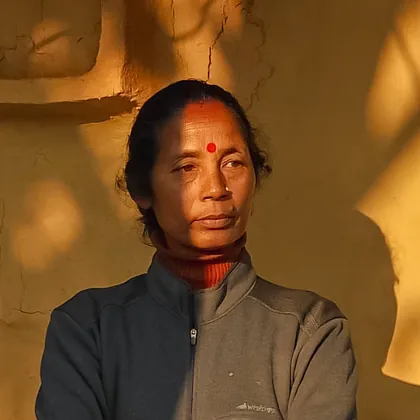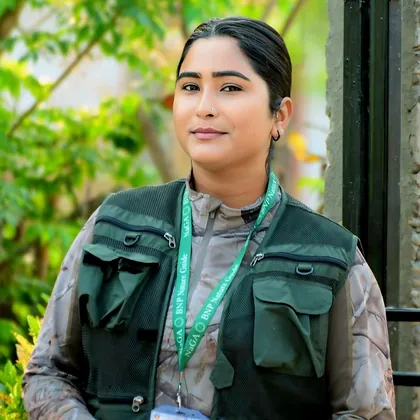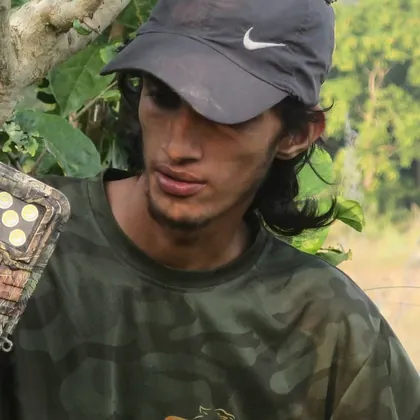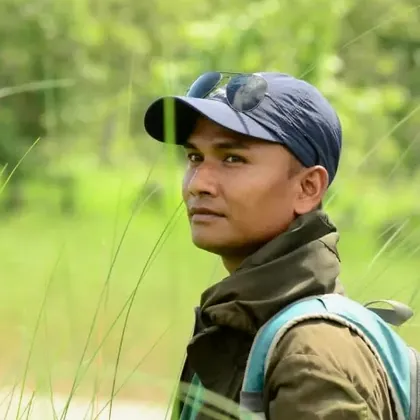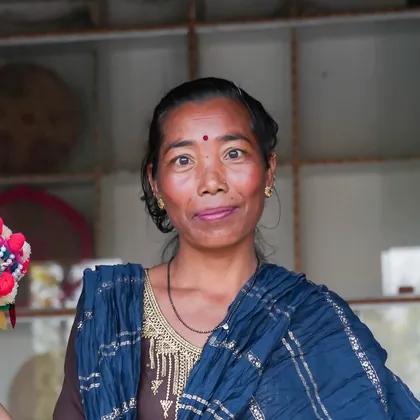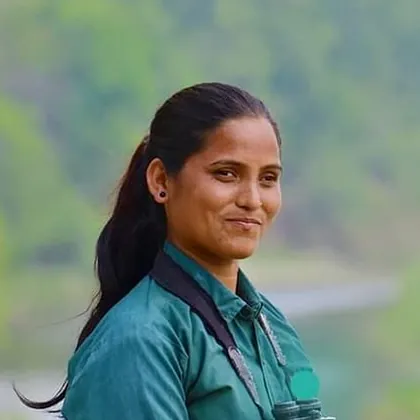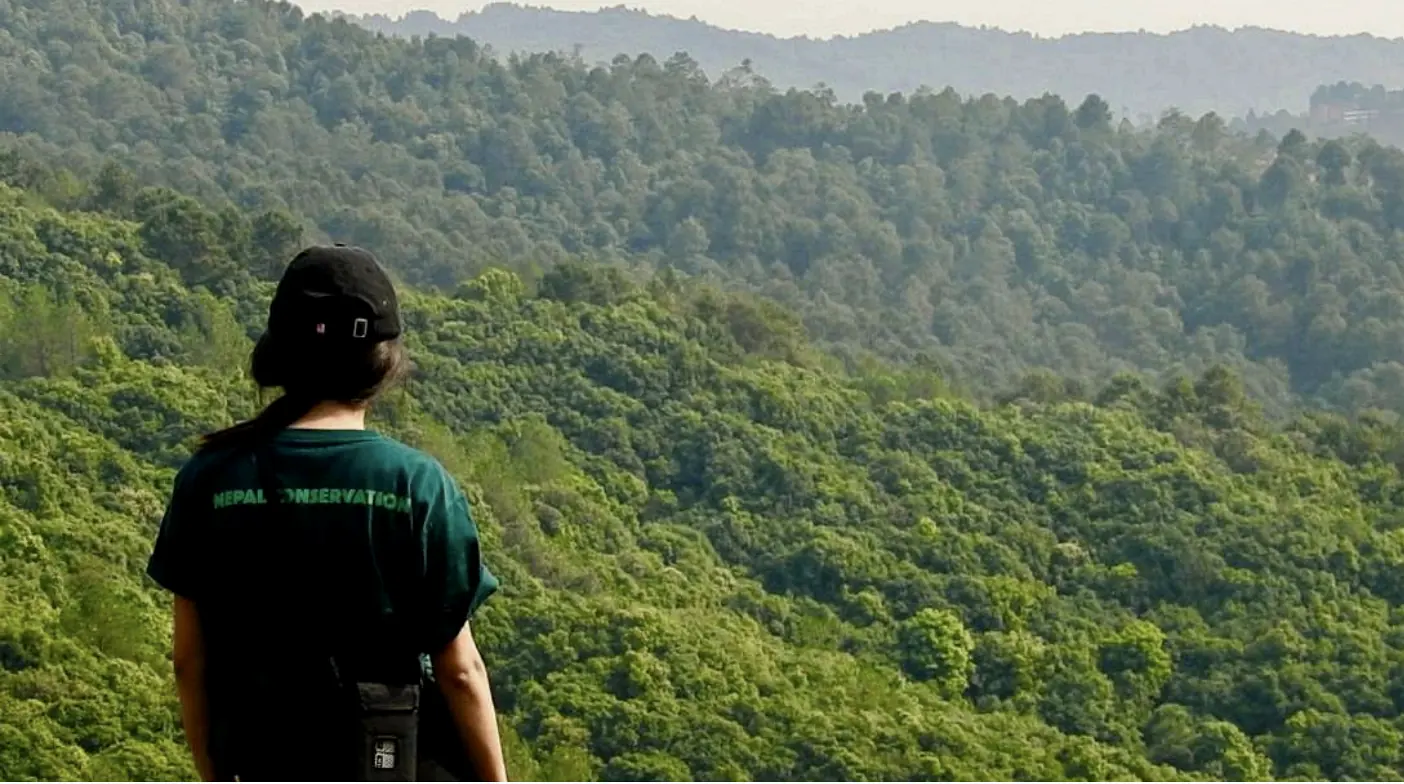
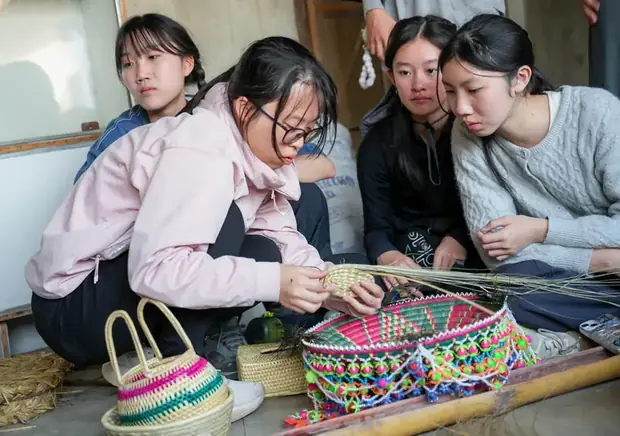

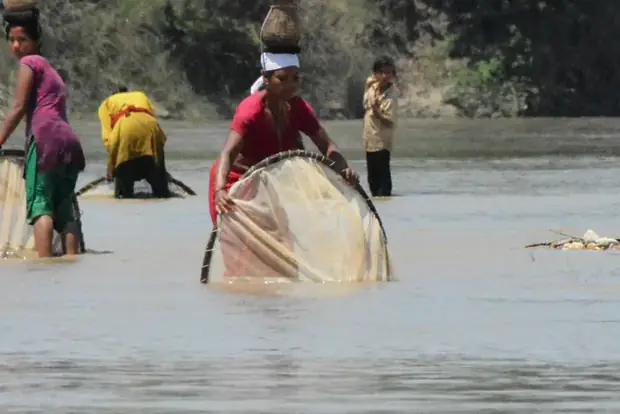

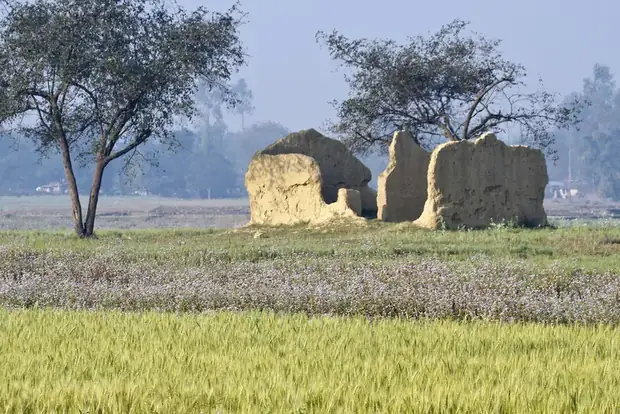

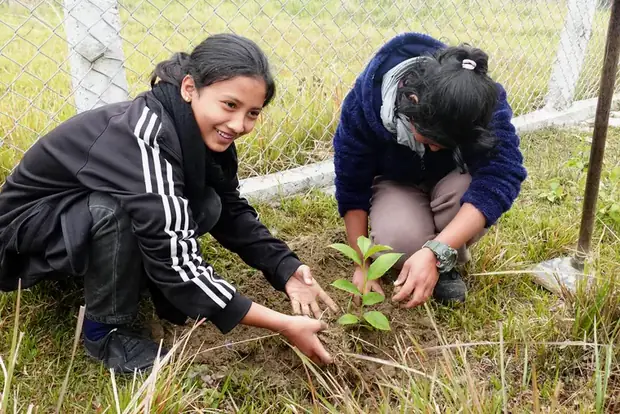

We teach in the field, where learning meets the ground.
From the jungle up to the mountain peaks, we bring young people and educators into the dilemmas the community lives. Modern education assumes knowledge is formed in a protected space and applied to the world afterwards: curriculum first, consequence later (if at all). It produces people who are technically sophisticated and ethically thin. Fluent in applying existing frameworks, poorly equipped to question them.
Himalaya Living School restores consequence to the centre of learning. Not consequence meaning reward and punishment, but meaning a young person's choices have real effects on people, on animals, and on changing landscapes, with those effects returning as the lesson itself.
A classroom manages consequence out of the way; we build learning around it. Students might design a solution, present it to the local ward office, and see it through in partnership with Nepali students. The most rigorous learning environments aren't classrooms at all, but living communities navigating problems, where the cost of not learning is immediately apparent.